


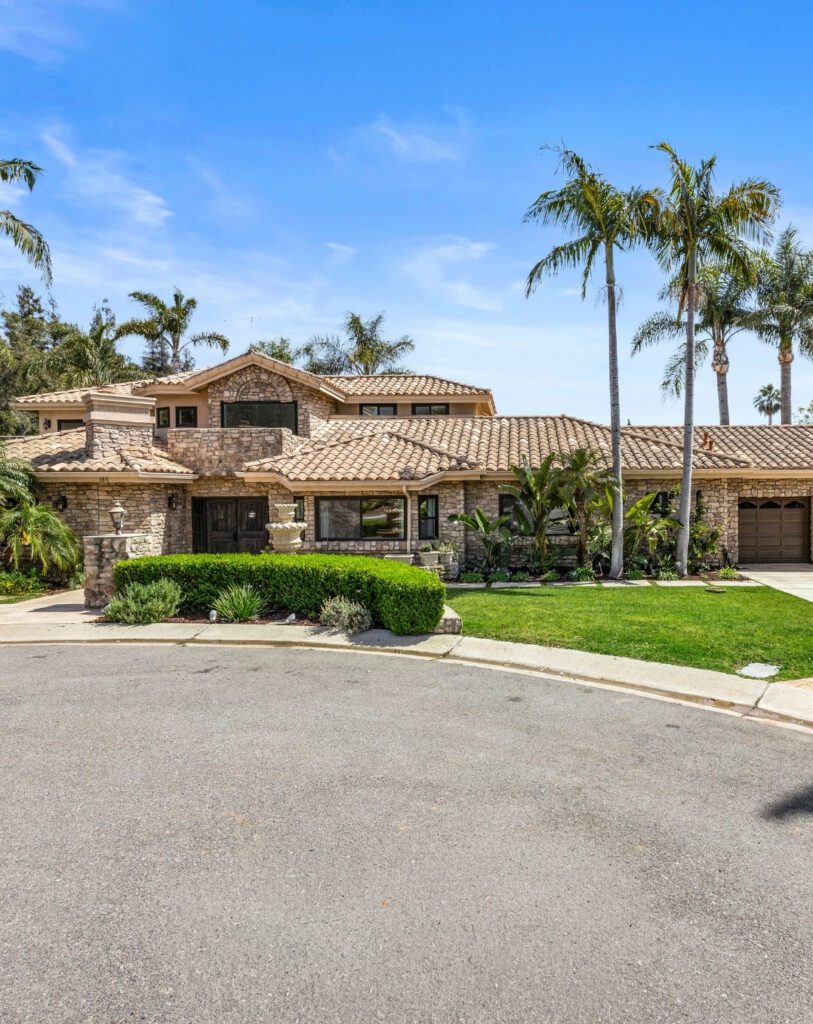
Every seller wants to leave room for negotiation. The trouble begins when “leaving room” turns into a listing price buyers cannot justify. In Anaheim Hills, two homes with similar square footage can command very different prices because of their views, lot position, school boundaries, renovation quality, street, floor plan, HOA, and proximity to traffic or open space. That complexity can make an ambitious price feel reasonable. However, buyers are comparing those same details across every competing home they tour.
When the price gets too far ahead of the property, buyers rarely negotiate immediately. They often move on. Avoiding overpricing does not mean giving your home away. It means establishing a price that attracts serious attention, reflects the property’s strongest qualities, and gives buyers enough confidence to act.
The First Days on the Market Carry the Most Attention
A newly listed home typically receives its greatest exposure when it first appears in buyer searches and agent alerts. That early period is when motivated buyers, including those who have been waiting for the right Anaheim Hills property, are most likely to notice it.
An overpriced listing can waste that opportunity. Buyers may save the home online or schedule a showing out of curiosity, but they may hesitate to make an offer when recent sales and active competition do not support the asking price. By the time the seller reduces the price, some of those buyers may already be under contract elsewhere.
The National Association of REALTORS® explains that agents consider comparable sales, property condition, location, improvements, and local market conditions when recommending an asking price. NAR also cautions that an excessively high starting price can contribute to price reductions and extended time on the market.
A Price Reduction Does Not Create a Completely New Launch
Sellers sometimes assume they can begin high, test the market, and reduce the price later without losing anything. Technically, the home may appear in new buyer searches after crossing into a lower price range. Emotionally, however, it is no longer a brand-new listing.
Buyers and their agents can see the listing history. They may begin asking why the home has not sold, whether additional reductions are coming, or whether the seller is now more willing to negotiate. A price adjustment can revive interest, but it may not reproduce the urgency and curiosity generated during the original launch.
Your Renovation Cost Is Not the Same as Market Value
Homeowners often remember every dollar spent improving a property. That is understandable, especially after completing a kitchen remodel, adding a pool, replacing major systems, or redesigning the backyard.
The market does not always reimburse those expenses dollar for dollar. Some improvements may make a home easier to sell without increasing its value by the full project cost. Other renovations may appeal strongly to one buyer but feel too personalized to another. Work completed several years ago may also compete against newer design preferences and recently remodeled listings. Pricing should account for the condition and quality of improvements, but it must also consider how buyers currently respond to them.
Buyers Pay for the Result, Not the Seller’s Receipt
A professionally designed backyard with excellent privacy and functional entertaining space may support a meaningful premium. An expensive outdoor project with difficult maintenance or a layout that reduces usable yard space may not.
The same principle applies inside. Buyers evaluate whether the renovation feels cohesive, whether permits are available when appropriate, and whether the home still requires additional work. The listing price should reflect the property buyers see today, not simply the amount the seller invested over time.
Automated Estimates Can Miss Neighborhood-Level Differences
Online estimates can provide a broad reference point, but they do not walk through the home. They may not fully understand the view from the backyard, the privacy of the lot, the quality of a renovation, or the way traffic affects the property at different times of day.
They may also rely on public records that do not accurately describe the home’s current condition or finished living areas. An assessed value is not the same as a current listing recommendation. Market pricing requires an analysis of recent transactions, active competition, and the specific features of the property. An online estimate, tax assessment, refinance appraisal, and potential sale price can all produce different numbers because they serve different purposes.
Overpricing Can Shrink the Buyer Pool
Most buyers search within defined price ranges. Listing just above a common threshold can remove the home from searches it might otherwise appear in.
For example, a buyer with a maximum search price may never see a property listed slightly above that limit, even when the seller would have accepted an offer within the buyer’s range.
Higher mortgage costs also make buyers more sensitive to price. A relatively small increase in the purchase price can affect the required down payment, monthly payment, property taxes, and affordability calculations. Buyers may therefore reject an overpriced property before touring it, rather than treating the asking price as an opening conversation.
The Wrong Price Can Make Competing Homes Look Better
Overpricing does not only affect how buyers view your home. It can improve the perceived value of every reasonably priced competitor. A buyer may tour an overpriced Anaheim Hills home and then visit another property with similar features at a more supportable price. Even when the second home is not objectively better, the comparison can make it feel like the safer and more logical purchase. Your home should not become the listing that helps someone else sell.
Appraisal Risk Can Follow an Inflated Price
Even when a buyer agrees to a high price, a financed purchase may still require an appraisal. The appraiser will review relevant sales, property characteristics, condition, location, and market evidence.
When the contract price is not adequately supported, the appraisal may create a gap. The buyer may need to contribute additional cash, the seller may need to reduce the price, or the parties may renegotiate other terms.
A strong offer does not eliminate appraisal risk. Sellers should discuss the buyer’s financing, appraisal protections, available cash, and contract terms with their listing agent before deciding which offer is strongest.
Work With The Best Listing Agents in Anaheim Hills
The Geronsins Real Estate Group is a trusted team of Anaheim Hills and Orange County listing agents with the local knowledge and proven experience needed to guide homeowners through every stage of the selling process. From evaluating neighborhood-level sales and identifying the right listing price to preparing the property, creating a tailored marketing strategy, and negotiating offers, the team helps sellers make informed decisions based on their home and personal goals.
With more than 94 five-star Google reviews and over 278 five-star Zillow reviews, The Geronsins Real Estate Group has earned a strong reputation for clear communication, attentive service, and a deep understanding of the Yorba Linda and Orange County real estate markets. The team has also been recognized as a FastExpert Top 1 Agent Team in Anaheim Hills and ranked among the RealTrends top real estate teams nationwide by sales volume.
Protect Your Launch With a Defensible Price
The best price is not necessarily the highest number suggested during a listing presentation. It is the price most likely to bring the home’s condition, location, and unique features into alignment with current buyer expectations. An Anaheim Hills seller can always reject an offer that does not meet their needs. What cannot be recreated easily is the attention that comes with a new listing.
If you’re thinking about selling your Anaheim Hills home, contact The Geronsins Real Estate Group before choosing an asking price. The team can evaluate neighborhood-level sales, current competition, property condition, and your personal timeline to create a pricing and marketing strategy designed around your home rather than a broad market average.
About Pricing an Anaheim Hills Home
What is the biggest risk of overpricing an Anaheim Hills home?
The home may miss the strongest period of buyer attention, remain on the market longer, and eventually require a visible price reduction. Extended market time can also change how buyers perceive the listing.
Should I price high to leave room for negotiation?
A modest negotiating range may be appropriate, but a price that cannot be supported by comparable sales and current competition may discourage buyers from making any offer.
Can I use an online home estimate to set my price?
Online estimates can provide background information, but they may not capture views, renovations, condition, lot usability, traffic, or other property-specific differences. A local comparative market analysis is more useful.
Does a recent renovation guarantee a higher sale price?
No. Renovations may improve marketability and value, but buyers consider design, quality, condition, permits, and whether the improvements fit their preferences. Project cost and market value are not always equal.
When should I reduce the price if my home does not sell?
The answer depends on showing activity, buyer feedback, new competition, market changes, and the seller’s timeline. Establishing a review schedule with the listing agent before going live can make that decision more objective.


