


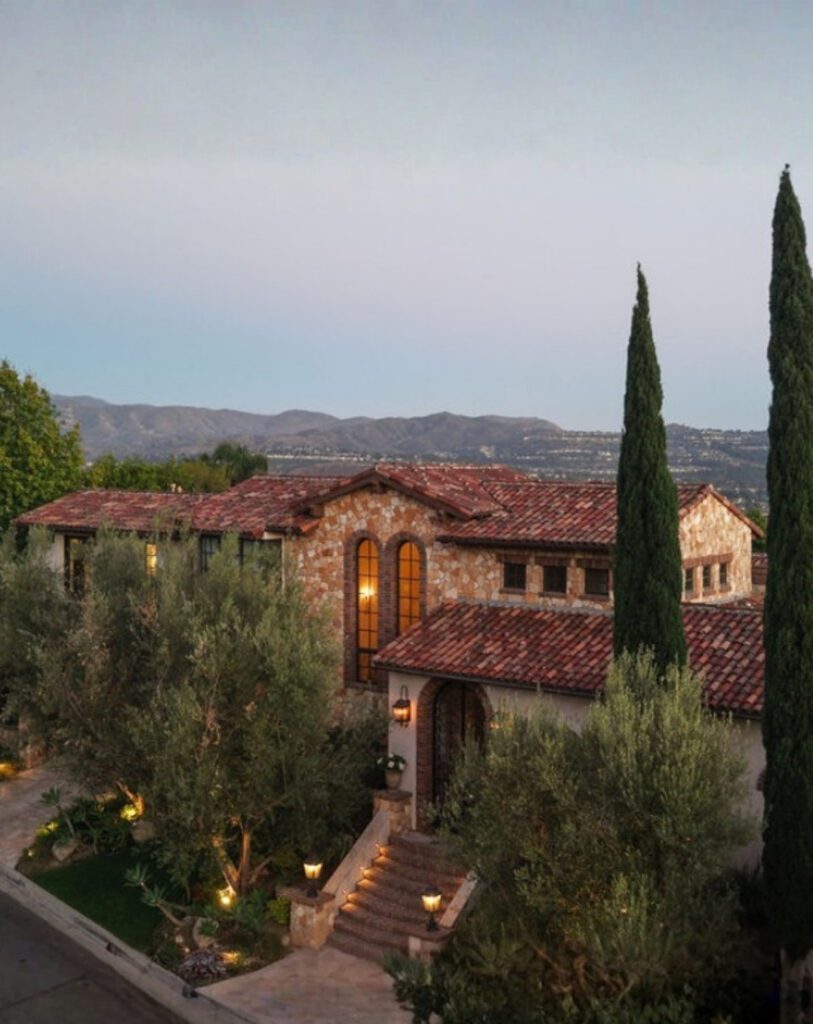
A buyer can fall in love with a Yorba Linda estate in ten minutes. The privacy feels impossible to replace, the sunset view stops the conversation, and the garage finally has room for every car, tool, or weekend project. By the end of the showing, the buyer may already believe the home is worth the asking price.
The appraiser must support an opinion of value with market evidence. That can become complicated when the property has an unusually large lot, equestrian facilities, guest quarters, or panoramic views. Custom architecture, specialty rooms, extensive outdoor improvements, or unique renovations can create another challenge. These features may not resemble anything that recently sold nearby.
Marketing and appraising a custom home in Yorba Linda are connected, but they are not the same job. The marketing explains why a buyer should care. The appraisal must show what the market has demonstrably paid for comparable benefits.
A Buyer Sees a Lifestyle; an Appraiser Needs Evidence
Custom homes often create value through a combination of features rather than one easily measured characteristic. Buyers may respond emotionally to privacy, craftsmanship, indoor-outdoor flow, city-light views, horse facilities, or mature landscaping. They may also value the overall feel of the property when they arrive.
An appraiser still has to analyze those advantages through recognized valuation methods and verifiable data. When no truly comparable sales exist, Fannie Mae guidance requires appraisers to select the sales that provide the best available indicators of value and make market-supported adjustments reflecting how typical buyers respond to the differences.
That does not mean a rare property cannot support a premium. The premium needs support beyond the seller’s renovation budget or an automated estimate. It also needs to reflect more than the amount a buyer initially offers.
Price per Square Foot Can Miss What Makes the Property Valuable
Price per square foot is useful for spotting broad patterns, but it can become misleading when applied to highly individual homes.
A smaller residence with exceptional construction, a usable acre, protected views, and seamless outdoor living may command a higher rate per square foot than a larger home with dated finishes and limited usable land. An estate with an extensive garage, guest casita, pool pavilion, or equestrian improvements may also appeal to a buyer who values those features more than additional interior space.
The opposite can happen too. More square footage does not automatically create proportional value when the layout is awkward, the additions are poorly integrated, or parts of the home serve highly specialized purposes.
Appraising a custom home in Yorba Linda therefore requires looking beyond one mathematical average. Lot usability, privacy, condition, architecture, permits, construction quality, location, views, and buyer demand all influence how the market reacts.
The Best Comparable May Not Be the Closest House
A useful comparable should reflect the same general buyer pool. For a Yorba Linda equestrian property, another horse-capable estate may provide better context than a nearby tract home with similar square footage. For a panoramic-view residence, the quality and permanence of the view may matter more than physical distance. A large custom home with guest quarters and substantial garage capacity may need to be compared with sales from a wider geographic area when no close substitute exists.
Fannie Mae instructs appraisers to consider factors such as location, physical similarity, sale date, and the market reaction to property differences. Its guidance also recognizes that the best comparable sales are not always the most recent or geographically closest when the subject is unusual.
Adjustments Need More Than a Renovation Receipt
Imagine that a seller spent $500,000 creating a resort-style backyard. That figure may include the pool, spa, hardscape, landscaping, shade structures, outdoor kitchen, lighting, design fees, and site preparation.
The market may value the finished experience highly without contributing the full $500,000 to the sale price. Construction cost and contributory market value are different concepts.
The same principle applies to solar and battery systems, home theaters, wine rooms, smart-home technology, workshops, equestrian facilities, imported finishes, and highly personalized architecture. Buyers may pay more for these features, but the premium depends on current condition, execution, local demand, and whether comparable buyers have demonstrated a willingness to pay for something similar.
Defensible appraisal adjustments are intended to reflect market behavior rather than automatically matching the original cost. Fannie Mae specifically states that adjustments must be market-supported and should approximate how typical purchasers react to the difference between the subject and comparable properties.
Broad Appeal and Specialized Appeal Are Not the Same
Some custom features appeal to a wide range of luxury buyers. Privacy, attractive views, high-quality kitchens, functional floor plans, generous garages, guest accommodations, and well-designed outdoor living often strengthen the overall property.
Other features may be enormously valuable to a smaller audience. A professional recording studio, elaborate horse setup, indoor sports court, highly themed theater, or workshop designed for a specific business may require the right buyer before it contributes a substantial premium.
That does not make a specialized feature a mistake. It simply changes the valuation conversation. The marketing may need to reach a narrower buyer pool, and the appraiser may have limited closed-sale evidence showing exactly what that group will pay.
Unverified Square Footage Can Undermine the Entire Story
A custom estate may have been expanded more than once. Guest quarters, enclosed patios, converted garages, bonus rooms, detached buildings, and additions can all create discrepancies among the physical home, prior listings, assessor information, approved plans, and permit records.
Before marketing the property, sellers should confirm which spaces are documented as permitted living areas. Yorba Linda’s Building Division maintains permit records for legally constructed, altered, remodeled, or demolished structures and provides online access to past completed permits and inspection information through its citizen portal.
An appraiser may measure the home and still treat questionable space differently from a clearly permitted living area. Lenders and insurers may also request additional information when the property does not match public or city records.
The solution is not to hide a discrepancy or assume the appraiser will accept the listing description. Research the records before establishing the price, then describe the space precisely and disclose unresolved questions appropriately.
Give the Appraiser a Property File, Not a Sales Pitch
A custom home can be difficult to understand during one appointment, especially when its value is spread across the land, improvements, construction quality, and years of work.
A well-organized property package can include a professional floor plan, survey, permit history, approved plans, documented square footage, improvement timeline, contractor invoices, warranties, equipment details, roof information, solar and battery documents, pool records, architectural plans, and a concise feature list.
The feature list should focus on facts. It might identify the architect, builder, materials, renovation dates, garage capacity, guest facilities, equestrian improvements, mechanical systems, smart-home equipment, and outdoor amenities. It should not instruct the appraiser how much each feature must be worth.
The California Department of Real Estate describes an appraisal as an independent third-party opinion that should be reached without pressure or prejudice from owners, lenders, or other parties connected with the property.
Strong Pricing Reduces Risk Better Than Wishful Thinking
Custom sellers sometimes believe they should list high because the home is impossible to duplicate. Rarity can support value, but it does not create unlimited buyer demand or guarantee appraisal support.
A credible pricing strategy considers the best available closed sales, active competition, withdrawn listings, days on market, price reductions, buyer feedback, and the property’s specific advantages. It also considers how far buyers may expand their search when comparing alternatives.
Replacement cost can help explain why certain materials, site improvements, or construction would be difficult to reproduce. It should not be treated as the automatic resale value. Buyers still decide whether they want that exact design, location, and collection of features.
Pricing the home within a defensible range can generate stronger interest and create a better foundation for appraisal. Starting far above the evidence may narrow the buyer pool and make the eventual contract harder to support.
A Unique Home Deserves More Than a Generic Pricing Formula
Selling a custom home in Yorba Linda requires confidence in what makes the property exceptional and discipline about what the market can support.
A buyer may place tremendous value on the view, equestrian setup, architecture, garage, guest house, pool, privacy, or renovation quality. The appraisal must still connect those advantages with verifiable sales and defensible adjustments. Thinking about selling a custom Yorba Linda estate? Contact The Geronsins Real Estate Group for a property-specific pricing and documentation plan before the home reaches the market.
FAQs
Why Are Custom Yorba Linda Homes Difficult to Appraise?
Custom homes may have few close substitutes. Differences in lot size, views, architecture, equestrian facilities, condition, permits, garages, and outdoor improvements can require broader comparable searches and substantial adjustments.
Does the Cost of an Improvement Equal Its Appraised Value?
No. Cost and contributory market value are different. An improvement’s value depends on condition, quality, buyer demand, and evidence showing how the market reacts to it.
Can an Appraiser Use Sales Outside the Immediate Neighborhood?
Potentially. When nearby homes are not truly comparable, an appraiser may use sales from a broader area that better represent the subject property’s buyer pool and characteristics.
Should the Listing Agent Speak With the Appraiser?
The agent may provide factual property records, improvement information, floor plans, and relevant comparable sales. The agent should respect the appraiser’s independence and avoid improper pressure.
What Happens When the Appraisal Is Below the Contract Price?
The parties may renegotiate, the buyer may contribute additional cash, the lender may review additional information, or the buyer may exercise contractual rights. The outcome depends on the financing and purchase agreement.
About The Geronsins Real Estate Group
The Geronsins Real Estate Group is a trusted team of North Orange County listing agents with the local knowledge and proven experience needed to guide homeowners through every stage of the selling process. From evaluating neighborhood-level sales and identifying the right listing price to preparing the property, creating a tailored marketing strategy, and negotiating offers, the team helps sellers make informed decisions based on their home and personal goals.
With more than 94 five-star Google reviews and over 278 five-star Zillow reviews, The Geronsins Real Estate Group has earned a strong reputation for clear communication, attentive service, and a deep understanding of the Orange County real estate market. The team has also been recognized as a FastExpert Top 1 Agent Team in Anaheim Hills and ranked among the RealTrends top real estate teams nationwide by sales volume.


